Across many towns and cities, Ivorian cuisine can be discovered not only in homes but also in traditional maquis restaurants. These informal dining places became an important part of social and cultural life in Côte d’Ivoire. They combine local food traditions, community gatherings, and affordable meals that attract people from many different backgrounds.
Origins of Maquis in Côte d’Ivoire
Maquis first appeared during the middle of the twentieth century and developed as small local restaurants within the informal economy. In the beginning, many of these places specialized in bush meat and local drinks. Over time, they expanded their menus and became widely known for traditional Ivorian cooking.
Today, the word “maquis” conjures a certain style of dining. They are often run in open spaces or simple structures, unlike formal restaurants. Many have bamboo roofs, outdoor seating and local decorations that reflect everyday life in West Africa.
Economic changes also affected the growth of the maquis. When many people had less money to spend, affordable restaurants became more attractive than expensive dining venues. Therefore, the maquis continued to grow and became deeply rooted in the local populations.
Today, cafés still are popular places to meet, eat, talk, listen to music, and hang out with friends or relatives.
Traditional Dishes Found in Ivorian Cuisine
Many elements of Ivorian cuisine are reflected in food served in maquis. Meals are often hearty and flavorful and they are often made with ingredients that are common throughout the nation.
A common feature is the use of starchy side dishes served together with sauces and proteins. Rice is popular, but many traditional alternatives are regularly eaten.
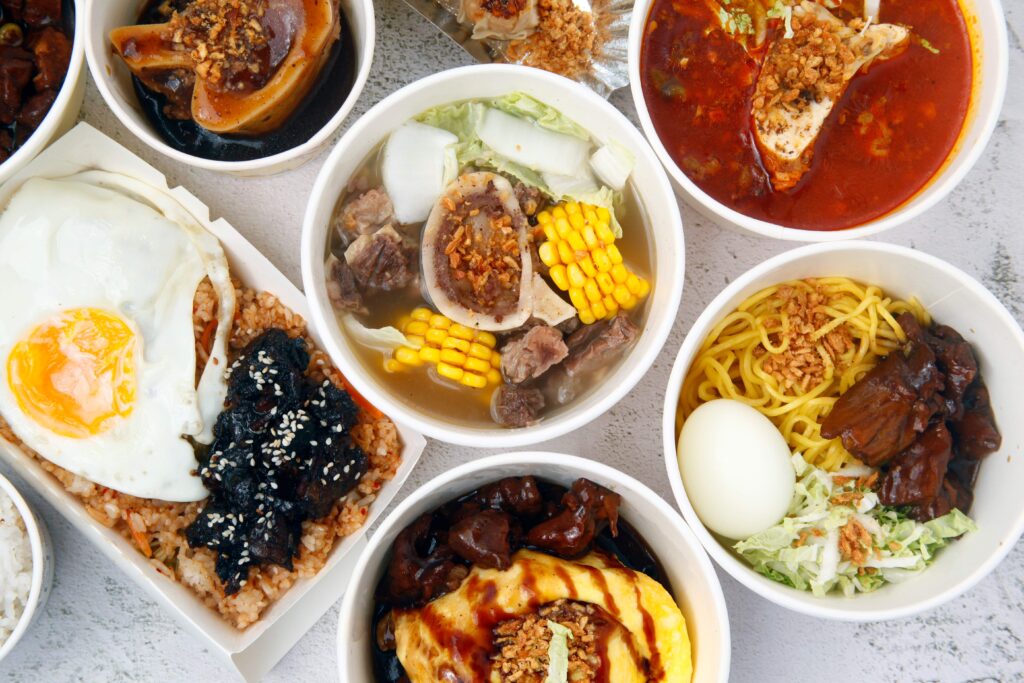
Attiéké is one of the most recognizable foods of Côte d’Ivoire. It is made from fermented cassava and looks like couscous, but the texture and flavor are distinctive. It is often eaten with grilled fish or chicken.
Another popular dish is fufu. It’s a thick concoction that’s often made from plantains, yams, or other starchy ingredients. The texture is soft and dense making it suitable to eat together with rich sauces.
Sauces and Spices in Everyday Meals
Sauces are an essential part of many dishes. They are prepared differently in different regions and families, and this leads to a wide variety of flavors.
Popular are aubergine sauce, peanut sauce, palm oil–based sauce graine and sauces made with okra. They are often served with fish or chicken. These dishes are known for their strong seasonings.
Visitors are quick to observe that spicy ingredients are very common in local cooking. Chili peppers are a staple in many recipes and can add a surprising amount of heat to those unfamiliar with West African cuisine.
The heavy use of spices gives a distinctive flavor to the food and contributes to the country’s strong culinary identity.
Street Food and Everyday Eating Habits
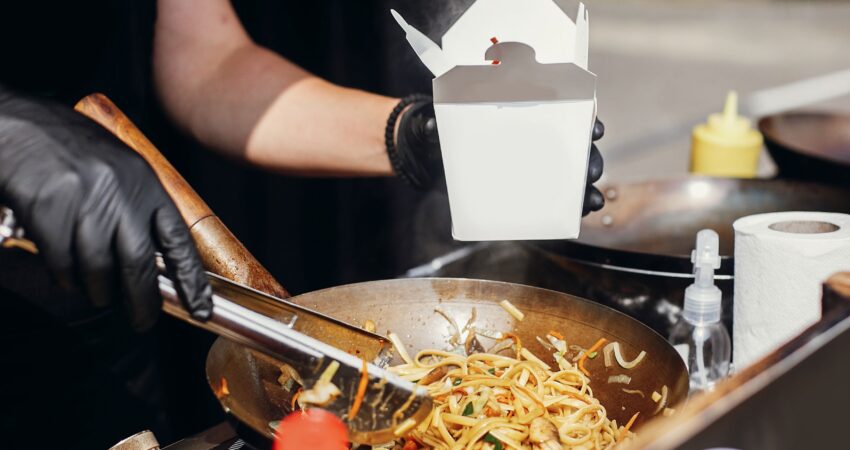
Street food is also an important part of daily life, apart from the maquis. In many neighborhoods you’ll find food stalls, kiosks and small vendors selling quick meals and snacks all day.
Alloco is one of the most famous street foods in the region. This dish is ripe plantains fried in oil and served with spices. The combination of sweetness and heat makes it a local and visitor favorite.
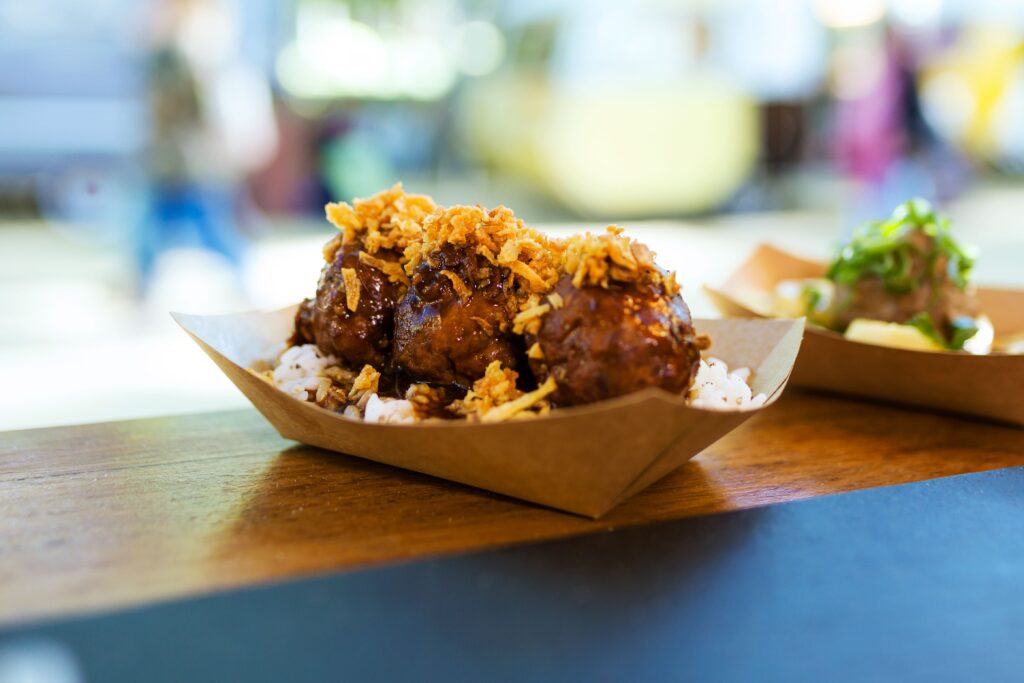
Street vendors provide many convenient food options:
- Alloco made from fried plantains
- Baguettes filled with omelets
- Pasta dishes with local ingredients
- Rice meals prepared in large portions
Workers, students and travelers often use kiosks to find a cheap meal. And these joints tend to specialize in quick, simple recipes.
The portions served in Côte d’Ivoire can be generous. Meals are supposed to fill you up for long periods of time, and they often have several different things on one plate.